Survival
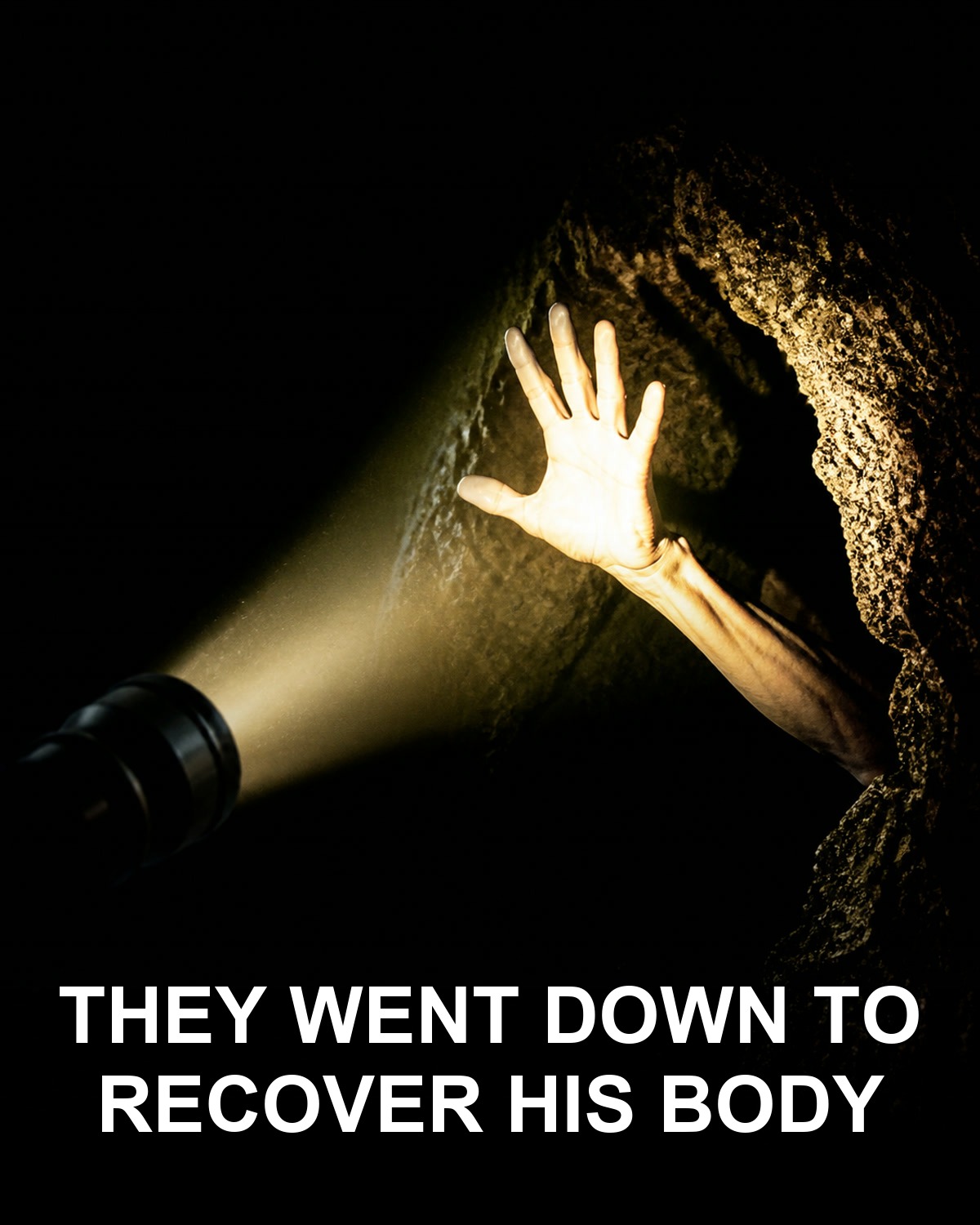
Fifteen days later, they went down to recover his body
A fisherman went into an unmapped flooded cave in Oaxaca with a spear and no guideline. Fifteen days later the search had become a search for a body.
Real people, real accidents: cave diving, mountaineering, rescues that worked and rescues that came too late. Every fact traced to a primary source.
A fisherman went into an unmapped flooded cave in Oaxaca with a spear and no guideline. Fifteen days later the search had become a search for a body.
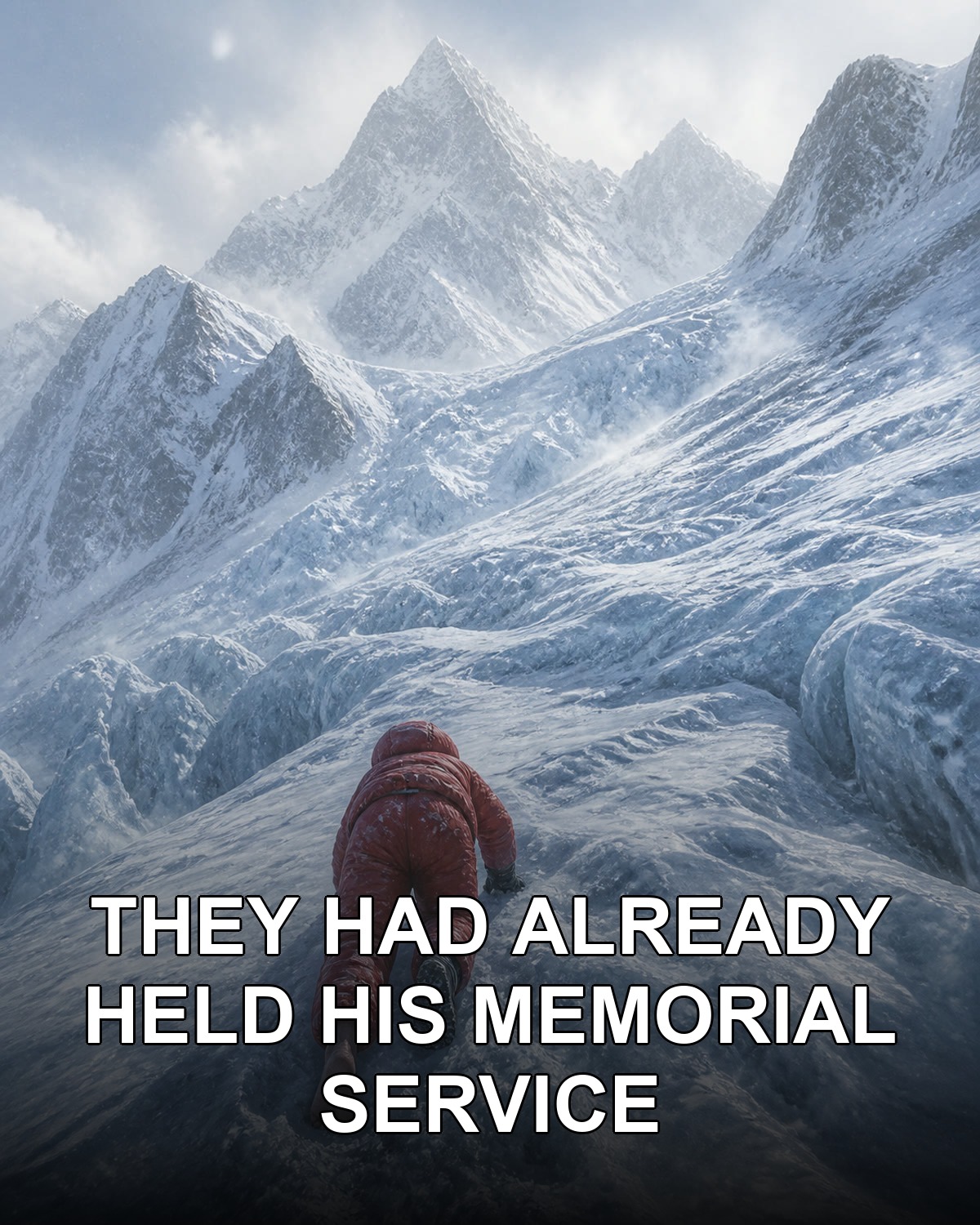
In May 1982 a family in Japan buried a twenty-six-year-old climber lost on a Sichuan ice peak. Thirty-two people have reached that summit. Thirty-seven have died on it.
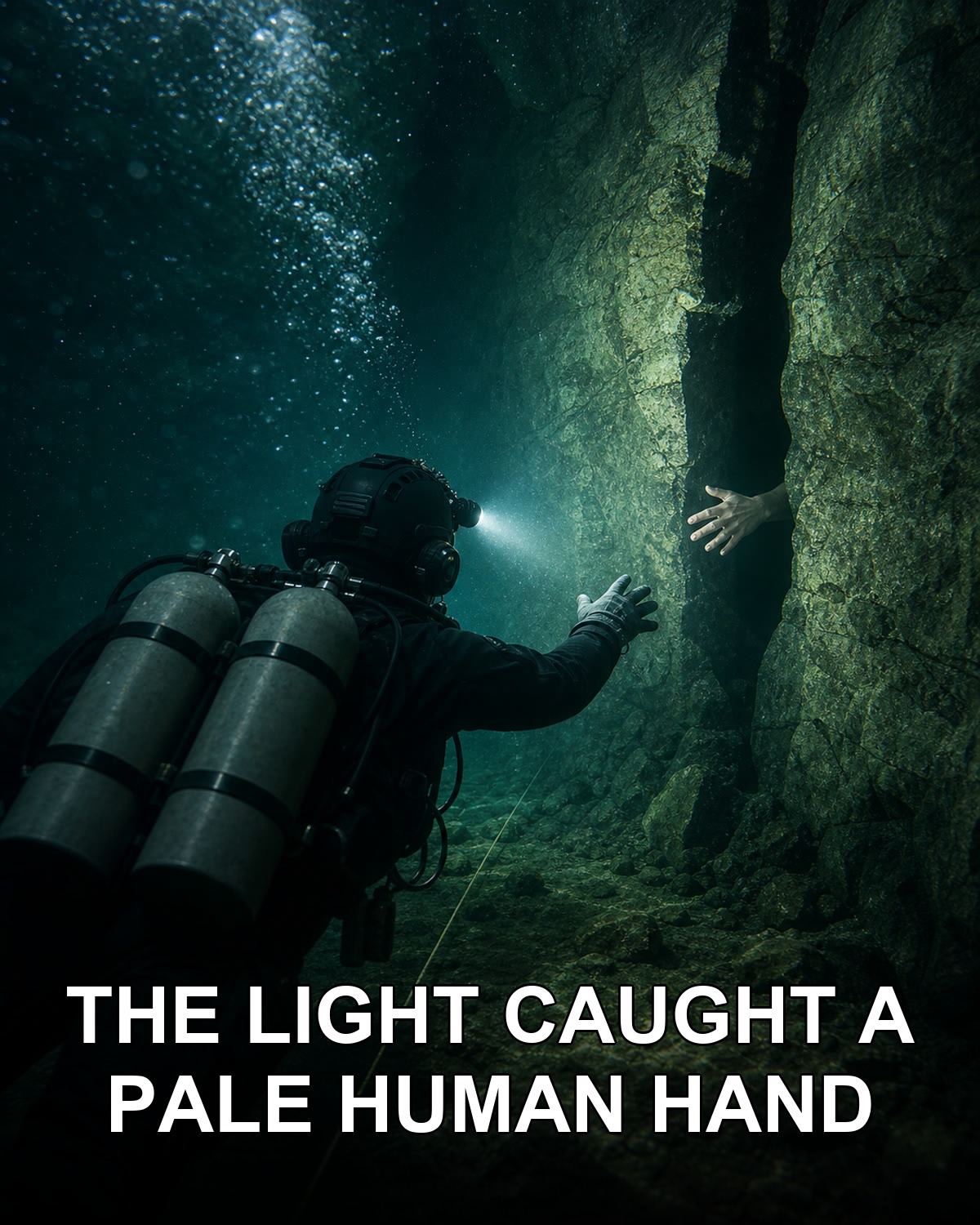
Two rescue divers had been trained for exactly this moment: after three days underwater, you find a body. Their lamps swept across a bloodless human hand.
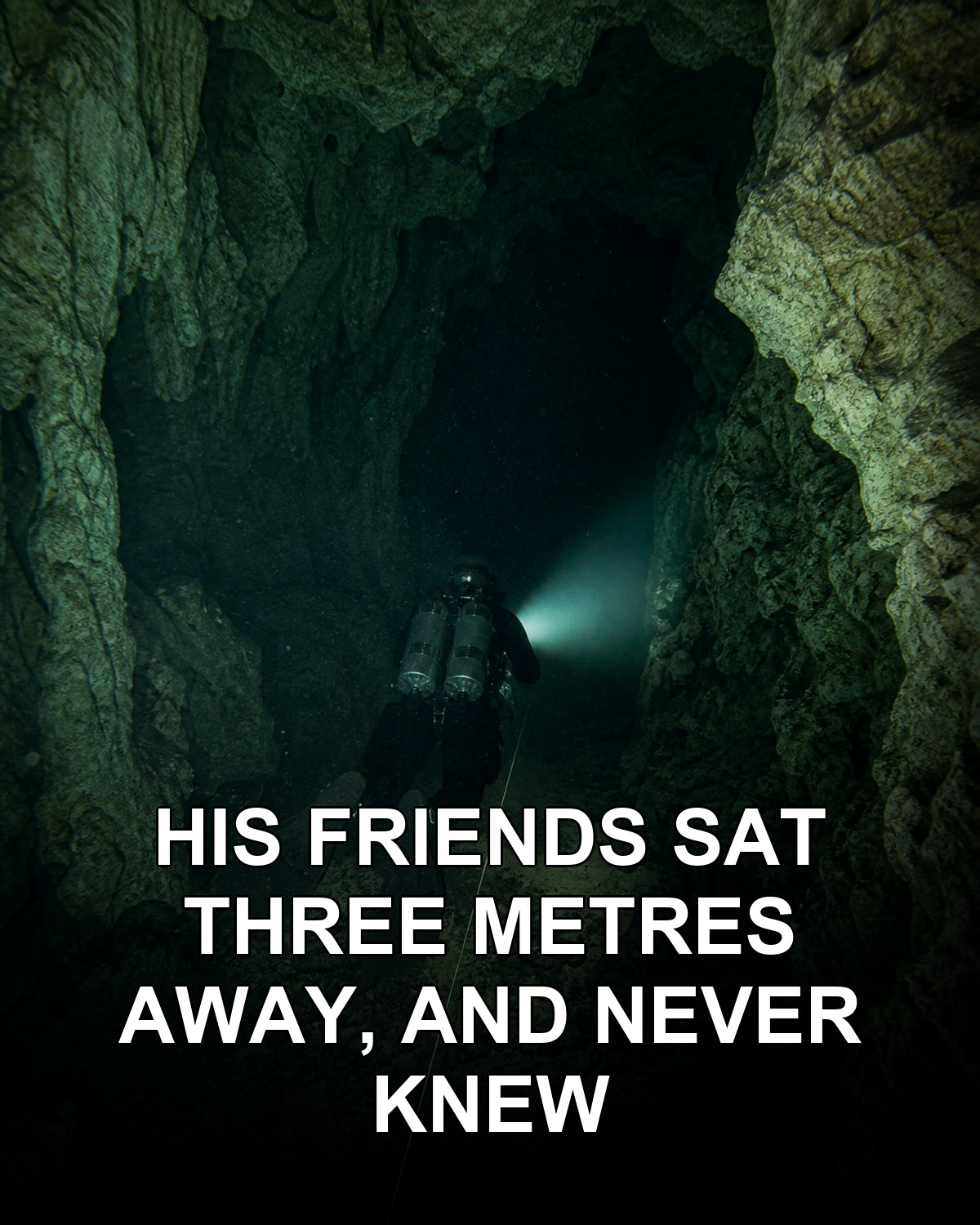
Four students walked into Clarksville Cave with one cylinder, one regulator and one torch. The pool they meant to dive was only three metres deep.
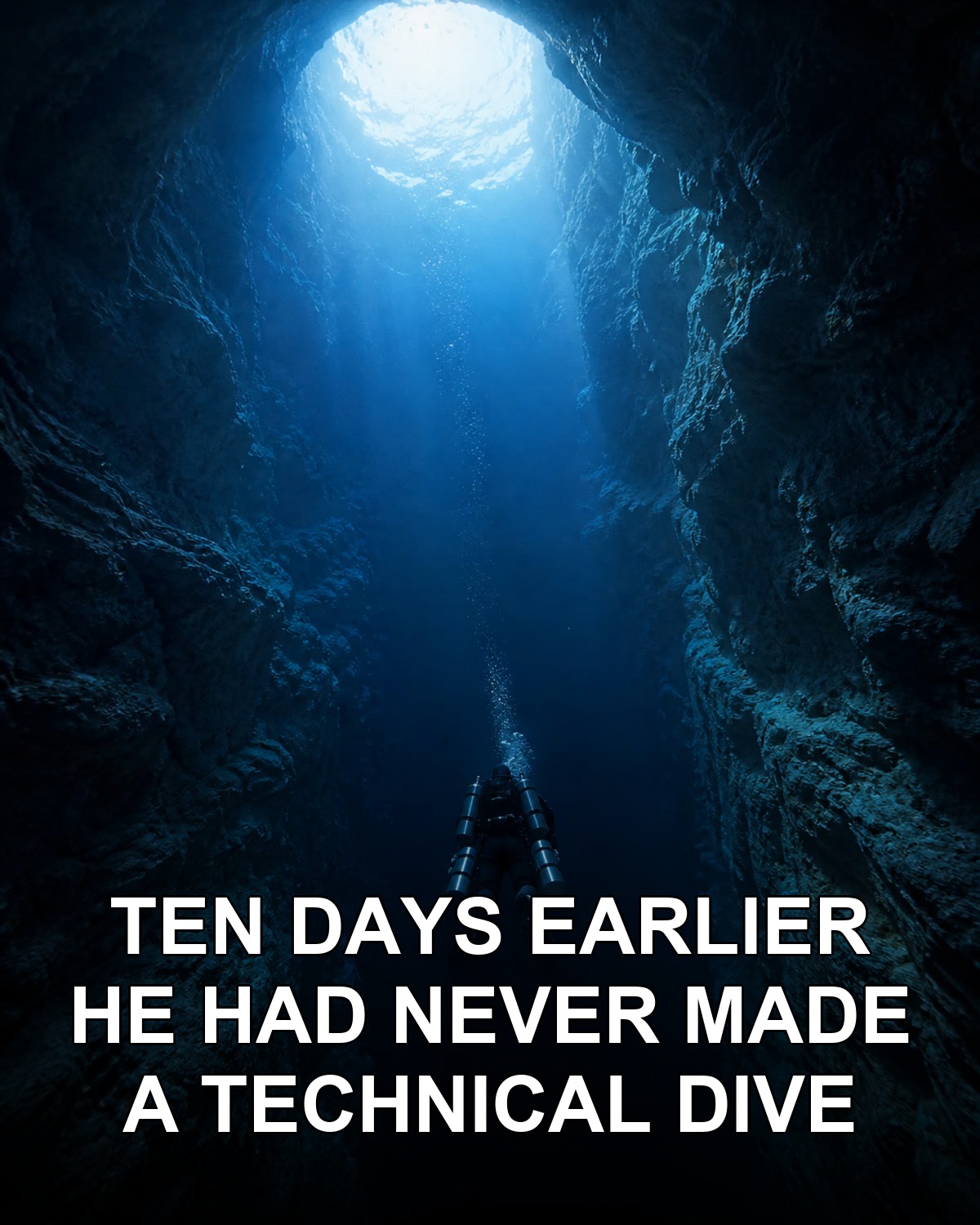
Two men walked into the water at Dahab's Blue Hole with five cylinders and nothing else. No support diver, no surface marshal, no oxygen, no doctor.
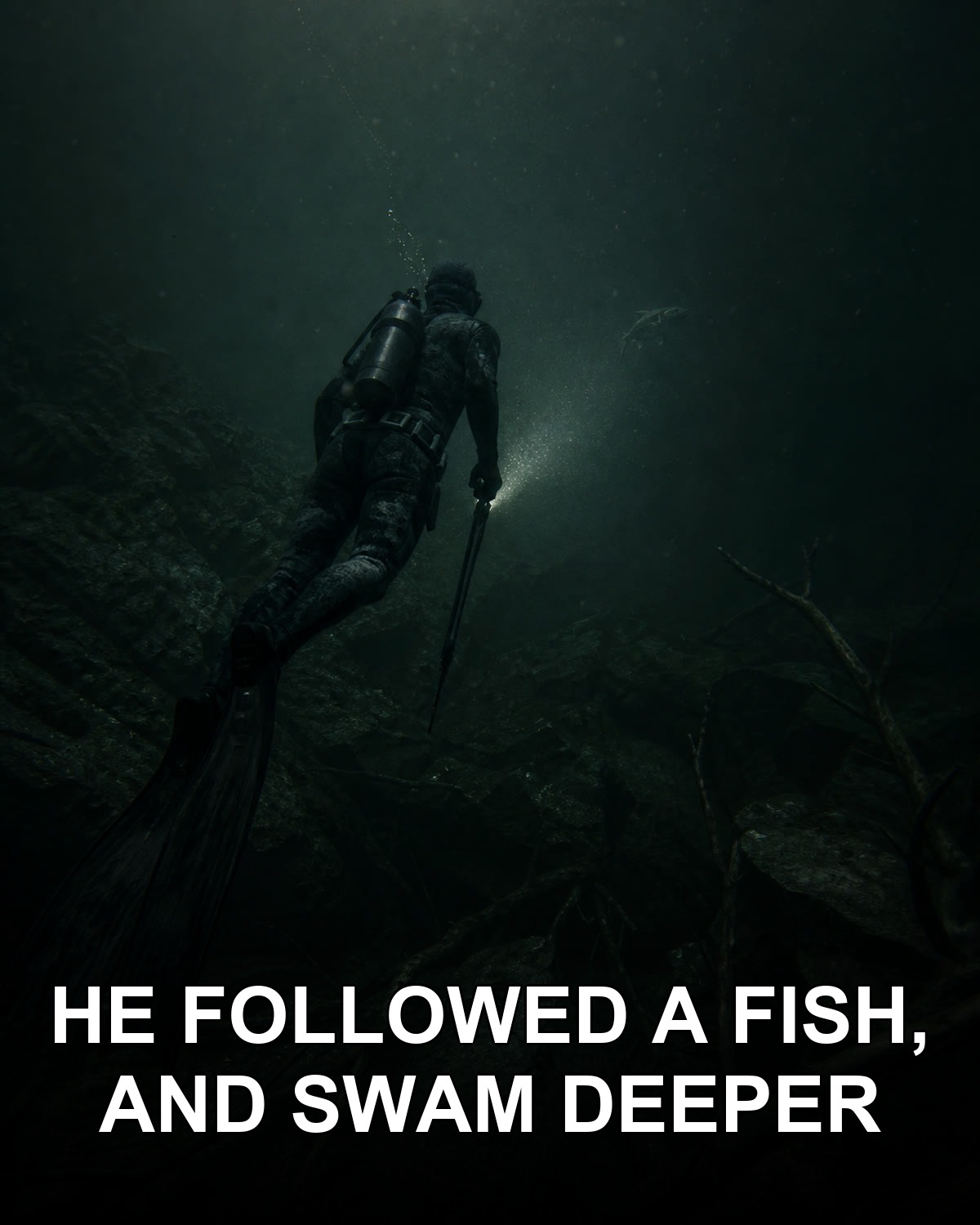
A spearfisher went under a Guizhou lake at night with no buddy and no line. The search that followed lasted twenty-six days and looked in the wrong place.
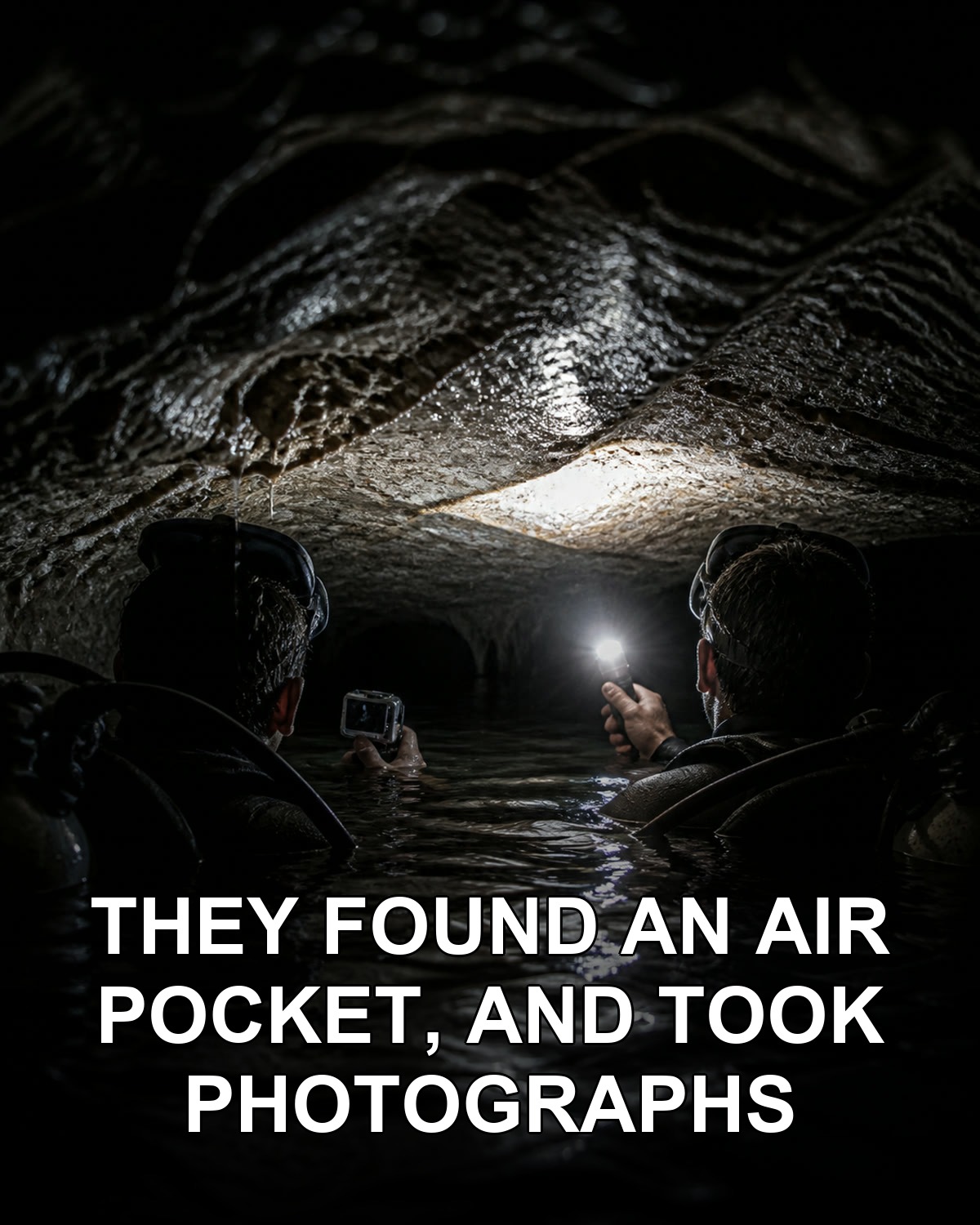
Three men over fifty went into a Catalan sea cave with one cylinder each and no guideline. Two of them found a dome of air, and thought they were saved.
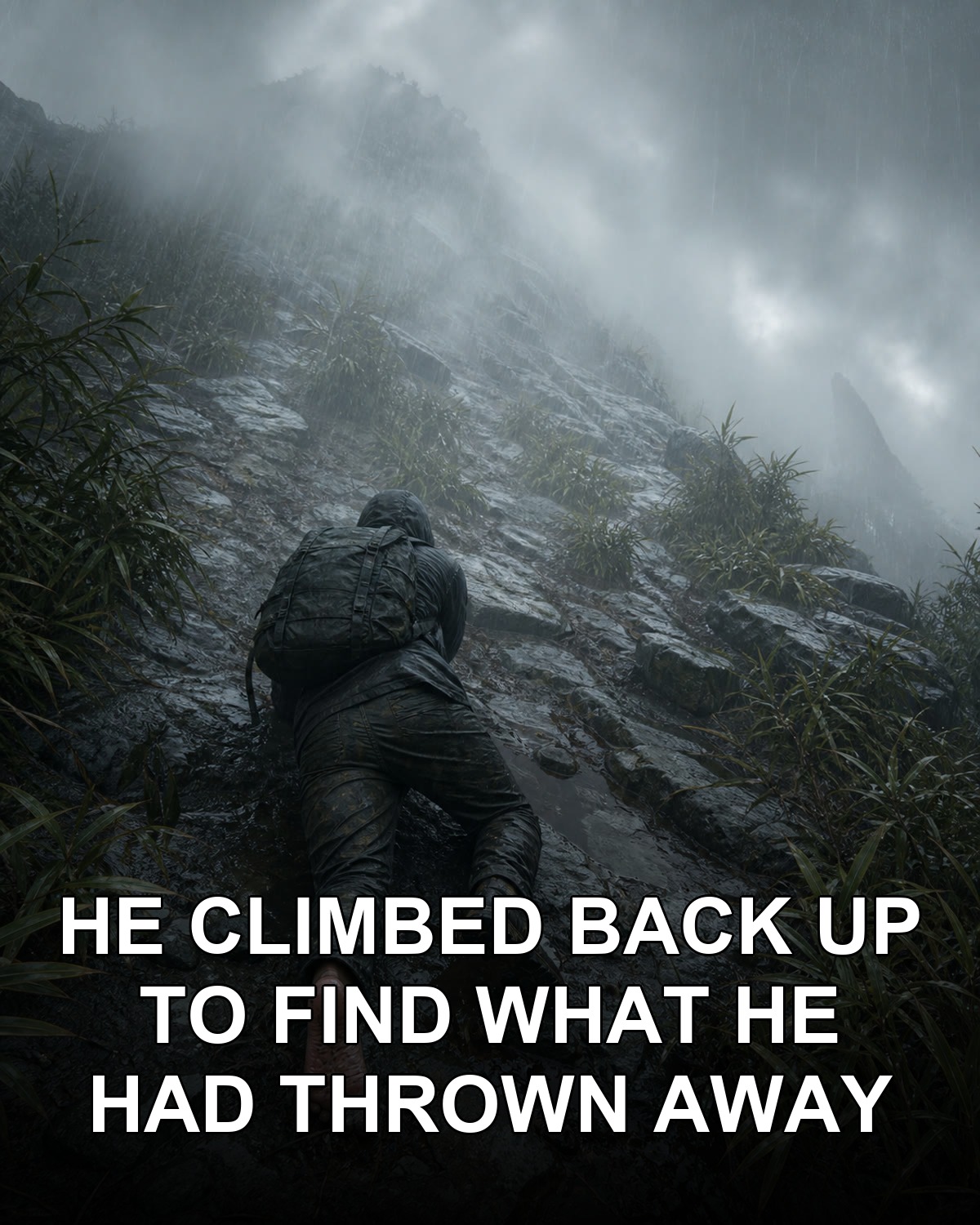
Two broken hands, one bare foot, and the hardest ridge walk in China above him. He turned around and climbed back toward the food he had thrown away.
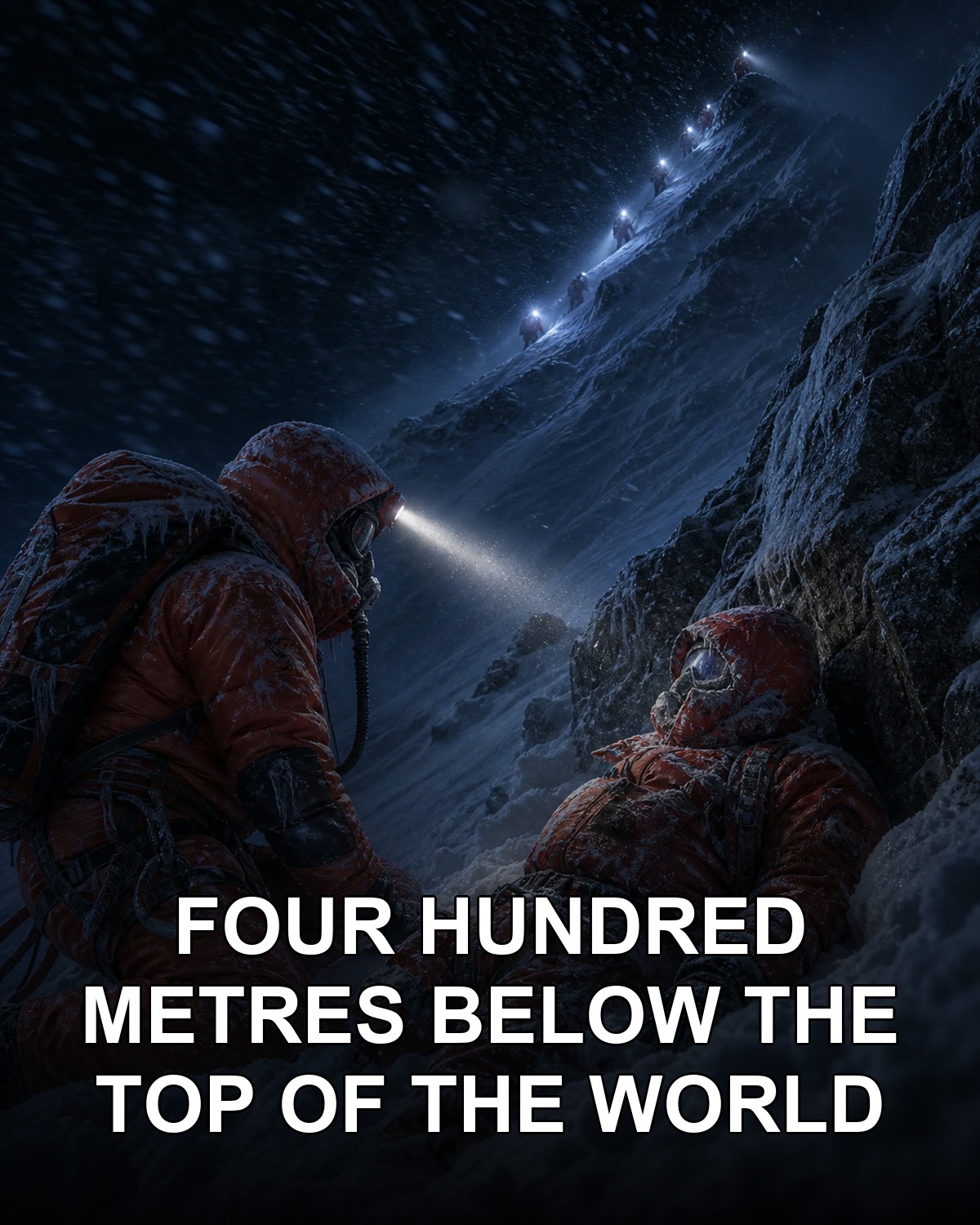
Three years of preparation, and less than four hundred metres left to the top of the world. Then Fan Jiangtao saw someone lying in a hollow in the rock.
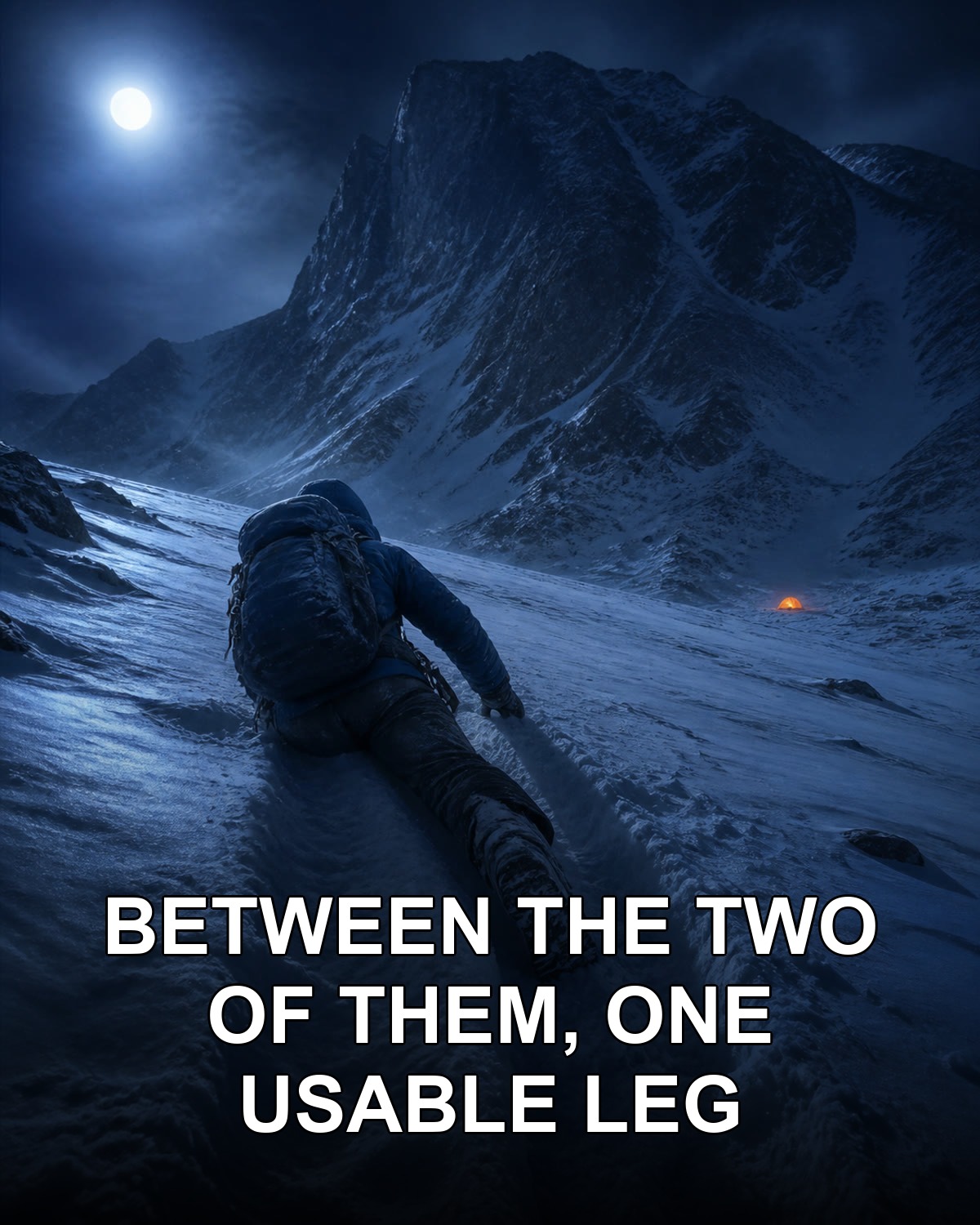
At six thousand metres they had no anchor, so they tied themselves to each other and trusted that. Then they began to slide, and did not stop for 200 metres.